Tarsal Tunnel Syndrome: A Comprehensive Guide to Physical Therapy Exercises
Discover downloadable PDF resources detailing targeted exercises for tarsal tunnel syndrome‚ aiding recovery and promoting long-term foot health and function.
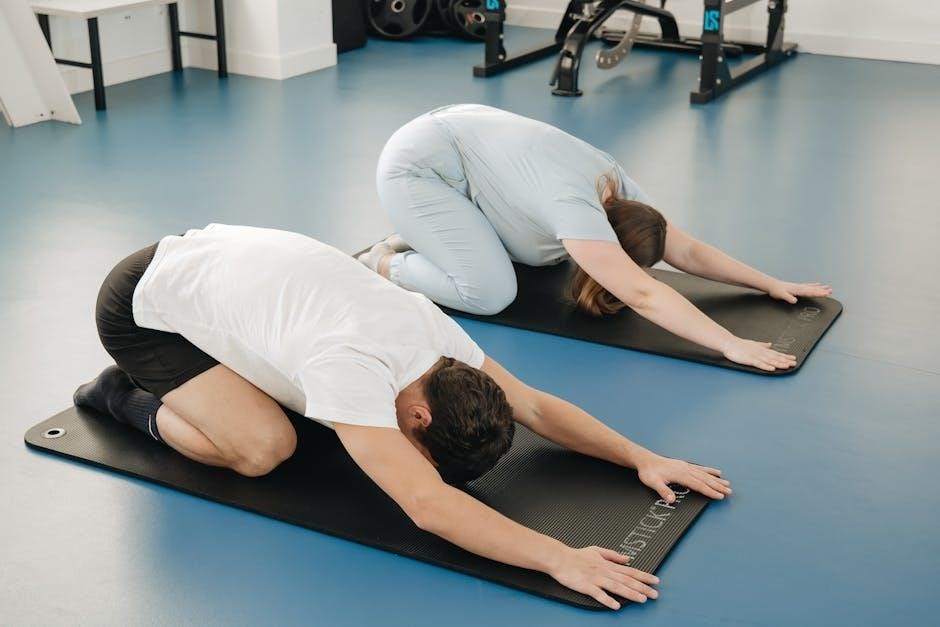
Tarsal Tunnel Syndrome (TTS) arises from compression of the posterior tibial nerve within the tarsal tunnel‚ located on the inner ankle. This condition mirrors carpal tunnel syndrome in the wrist‚ but affects the foot.
Effective management often involves a structured physical therapy program. Fortunately‚ numerous PDF resources offer detailed exercise protocols designed to alleviate pain‚ reduce inflammation‚ and restore function. These guides typically include stretching‚ strengthening‚ and neuromuscular re-education exercises.
Understanding the principles behind these exercises‚ and having access to clear‚ printable instructions – as found in these PDFs – is crucial for successful self-management and a quicker return to activity.
Understanding the Tarsal Tunnel
The tarsal tunnel is a narrow passageway on the inside of your ankle‚ formed by the ankle bones and a strong ligament called the flexor retinaculum. Within this tunnel travel the posterior tibial nerve‚ tendons‚ and blood vessels.
PDF guides on physical therapy exercises emphasize the importance of understanding this anatomy. Compression within this space can irritate the tibial nerve‚ leading to TTS symptoms. These resources often visually illustrate the tunnel’s structure.
Knowing precisely where the compression occurs helps tailor exercise selection‚ focusing on releasing tension and restoring space within the tarsal tunnel‚ as detailed in downloadable exercise programs.
Anatomy of the Tarsal Tunnel
The tarsal tunnel’s boundaries are crucial for understanding compression. Medially‚ the talus and calcaneus bones form the tunnel’s base. Superiorly‚ the flexor retinaculum acts as the ‘roof’‚ a thick ligament. Laterally‚ the deltoid ligament provides support.
PDF exercise guides frequently include detailed anatomical diagrams. Within this space lie the posterior tibial nerve‚ flexor digitorum longus‚ flexor hallucis longus tendons‚ and associated vasculature.
Understanding these structures is vital; exercises aim to address muscle imbalances and improve space‚ preventing further nerve irritation‚ as illustrated in downloadable resources.

The Posterior Tibial Nerve & Its Role
The posterior tibial nerve is central to tarsal tunnel syndrome. Originating from the sciatic nerve‚ it travels down the leg and into the foot via the tarsal tunnel.
PDF resources emphasize nerve gliding exercises. This nerve innervates muscles controlling foot and toe movement‚ and provides sensation to the plantar surface.
Compression within the tarsal tunnel disrupts nerve function‚ causing pain‚ numbness‚ and weakness. Targeted physical therapy‚ detailed in downloadable guides‚ focuses on reducing this compression and restoring optimal nerve conduction‚ improving overall foot function.
Causes and Risk Factors
Understanding contributing factors is key to effective physical therapy. PDF guides highlight how trauma‚ like ankle fractures‚ can narrow the tarsal tunnel.
Overuse from high-impact activities increases risk. Anatomical issues‚ such as flat feet or bone spurs‚ also contribute to nerve compression.
Certain systemic conditions‚ like diabetes‚ can exacerbate symptoms. Physical therapy protocols‚ detailed in downloadable resources‚ address these underlying causes‚ focusing on restoring biomechanics and reducing pressure on the posterior tibial nerve‚ promoting long-term relief.
Trauma & Injury
Ankle fractures and sprains are significant contributors. PDF resources detail exercises specifically designed to address post-injury complications‚ focusing on restoring range of motion.
Direct blows or crush injuries can also damage the tarsal tunnel. Scar tissue formation post-trauma can compress the posterior tibial nerve.
Physical therapy protocols‚ outlined in downloadable guides‚ emphasize gentle mobilization and progressive loading. These exercises aim to reduce inflammation‚ prevent further nerve entrapment‚ and restore optimal foot and ankle function following traumatic events.
Overuse & Repetitive Strain
Activities like running‚ walking‚ and standing for prolonged periods can exacerbate symptoms. PDF guides provide tailored exercise programs to address overuse injuries.
Repetitive motions‚ especially those involving foot pronation‚ contribute to inflammation. These downloadable resources focus on strengthening intrinsic foot muscles for improved support.
Physical therapy protocols emphasize eccentric strengthening and flexibility exercises. They aim to correct biomechanical imbalances and reduce stress on the posterior tibial nerve‚ preventing recurrence and promoting long-term relief‚ as detailed in the PDF materials.
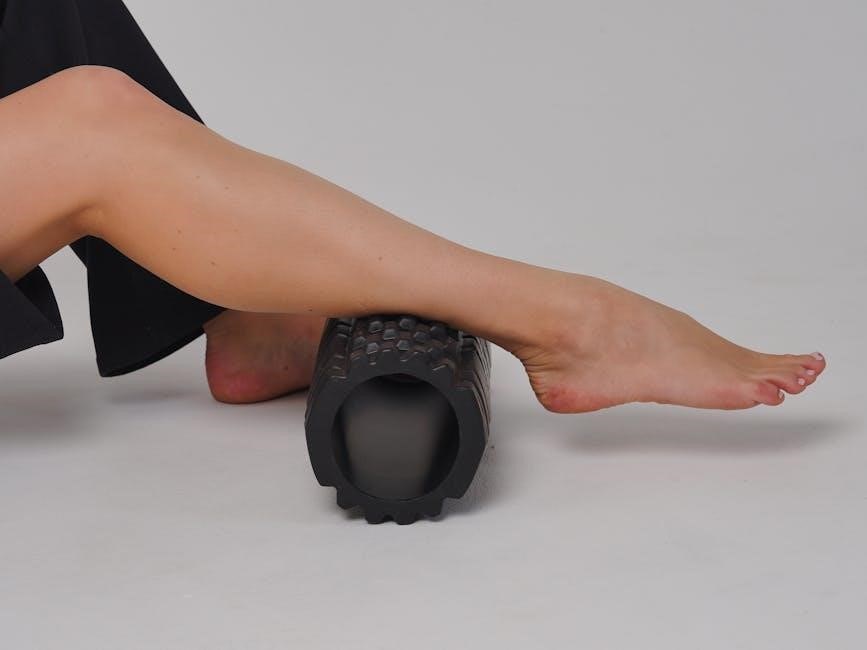
Anatomical Abnormalities
Certain foot structures‚ like flat feet or excessive pronation‚ can predispose individuals to tarsal tunnel syndrome. PDF exercise guides address these structural issues.
Variations in tarsal tunnel anatomy‚ such as a smaller tunnel or abnormal ligament placement‚ increase nerve compression risk. Targeted exercises in the PDFs focus on creating space.
Physical therapy interventions aim to improve foot alignment and biomechanics. Downloadable resources offer specific stretches and strengthening routines to compensate for anatomical differences‚ reducing nerve irritation and promoting optimal function‚ as outlined in the provided PDF materials.

Symptoms of Tarsal Tunnel Syndrome
Recognizing symptoms is crucial before starting a physical therapy program‚ detailed in our PDF guides. Common indicators include pain‚ numbness‚ and tingling along the foot’s inner side.
Pain may radiate into the ankle‚ heel‚ and even the calf. PDF exercises target pain reduction and nerve decompression.
Weakness in the foot and toes can also occur‚ impacting gait and balance. Downloadable resources provide strengthening exercises to address these deficits‚ improving functional ability and overall foot health‚ as demonstrated within the comprehensive PDF materials.
Pain & Burning Sensations
Our PDF resources emphasize exercises to alleviate pain and burning sensations associated with tarsal tunnel syndrome. Pain often intensifies with activity and improves with rest‚ but can become chronic.
Burning sensations frequently occur along the nerve pathway. Targeted stretches and nerve gliding exercises‚ detailed in the downloadable PDF‚ aim to reduce nerve compression and inflammation.
Consistent exercise‚ as outlined in the PDF‚ can significantly diminish these uncomfortable symptoms. Proper form and gradual progression are key‚ ensuring safe and effective pain management for improved foot function.
Numbness & Tingling
The downloadable PDF guides you through exercises specifically designed to address numbness and tingling caused by tarsal tunnel syndrome. These sensations often radiate into the foot and toes‚ disrupting daily activities.
Nerve gliding exercises‚ detailed within the PDF‚ are crucial for restoring nerve mobility and reducing compression; Gentle stretches and range-of-motion exercises also help alleviate these symptoms.
Consistent implementation of the PDF’s exercise program can improve nerve function and reduce the frequency and intensity of numbness and tingling‚ promoting better sensation and overall foot health.
Weakness & Muscle Cramps
Our comprehensive PDF provides targeted exercises to combat weakness and muscle cramps associated with tarsal tunnel syndrome. These symptoms often affect the intrinsic foot muscles‚ impacting balance and gait.
Strengthening exercises‚ clearly illustrated in the PDF‚ focus on restoring muscle power in the foot and lower leg. Specific protocols address the tibialis posterior‚ crucial for arch support.
The PDF also details stretching techniques to alleviate muscle tightness and reduce cramping. Consistent exercise adherence‚ guided by the PDF‚ improves muscle endurance and function‚ leading to enhanced stability and reduced discomfort.
Diagnosis of Tarsal Tunnel Syndrome
Accurate diagnosis is paramount before commencing any physical therapy regimen‚ as detailed within our downloadable PDF. While exercises are beneficial‚ confirming the diagnosis ensures appropriate treatment.
The PDF highlights that diagnosis typically involves a thorough clinical evaluation by a healthcare professional. This includes assessing your symptoms and performing specific physical examination tests.
Further diagnostic tools‚ such as Nerve Conduction Studies (NCS) and imaging like MRI‚ may be employed. The PDF emphasizes the importance of understanding these tests and their role in confirming tarsal tunnel syndrome‚ guiding personalized exercise plans.
Physical Examination Techniques
Our accompanying PDF details several physical examination techniques used to assess for tarsal tunnel syndrome. These techniques help clinicians pinpoint the source of your discomfort and differentiate it from other conditions.
The PDF explains the Tinel’s sign‚ where tapping over the tarsal tunnel elicits tingling. It also covers the triple compression test‚ applying sustained pressure to the area.
Furthermore‚ the PDF illustrates assessments of foot posture‚ range of motion‚ and muscle strength. These evaluations‚ described within the PDF‚ are crucial for tailoring a specific exercise program to address your individual needs and optimize recovery.
Nerve Conduction Studies (NCS)
The downloadable PDF resource explains how Nerve Conduction Studies (NCS) play a vital role in confirming a diagnosis of tarsal tunnel syndrome. NCS measure the speed at which electrical signals travel along the posterior tibial nerve.
The PDF details how slowed conduction velocity indicates nerve compression within the tarsal tunnel. It clarifies that NCS help rule out other conditions mimicking tarsal tunnel symptoms.
The PDF also outlines what to expect during the NCS procedure‚ including electrode placement and stimulation. Understanding these results‚ as explained in the PDF‚ guides the development of a targeted physical therapy exercise plan.
Imaging (MRI‚ Ultrasound)
Our comprehensive PDF resource details how imaging techniques‚ specifically MRI and ultrasound‚ assist in diagnosing tarsal tunnel syndrome and informing physical therapy. While NCS confirm nerve involvement‚ imaging identifies the cause of compression.
The PDF explains that MRI can reveal space-occupying lesions (cysts‚ tumors) or structural abnormalities compressing the posterior tibial nerve.
Ultrasound‚ as detailed in the PDF‚ offers a dynamic assessment‚ visualizing nerve swelling and surrounding tissue changes during movement. This guides exercise selection.
The PDF clarifies that imaging isn’t always necessary‚ but aids in complex cases‚ ensuring a precise‚ personalized exercise program.
The Role of Physical Therapy
Our detailed PDF resource emphasizes physical therapy as a cornerstone of tarsal tunnel syndrome treatment‚ often avoiding or delaying surgical intervention. It outlines a phased approach focused on reducing pain‚ restoring nerve function‚ and improving foot and ankle mechanics.
The PDF highlights that a tailored exercise program is crucial‚ addressing individual needs and symptom severity.
It details how physical therapy aims to decrease inflammation‚ enhance flexibility‚ strengthen supporting muscles‚ and retrain neuromuscular control.
The PDF stresses the importance of a qualified therapist for accurate diagnosis and effective exercise prescription.
Initial Phase: Pain & Inflammation Management
Our PDF resource details the initial focus of physical therapy: controlling pain and reducing inflammation. This phase prioritizes minimizing irritation of the posterior tibial nerve.
The RICE protocol (Rest‚ Ice‚ Compression‚ Elevation) is thoroughly explained‚ with specific guidance on application duration and frequency.
Gentle range-of-motion exercises are introduced to prevent stiffness without exacerbating symptoms‚ detailed with illustrations.
The PDF emphasizes avoiding activities that aggravate pain and provides modifications for daily tasks.
It also outlines the use of supportive devices and emphasizes patient education regarding activity modification.
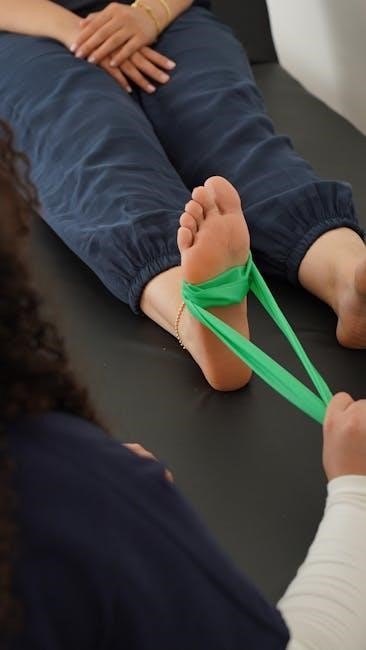
RICE Protocol (Rest‚ Ice‚ Compression‚ Elevation)
Our downloadable PDF provides a detailed breakdown of the RICE protocol for managing initial tarsal tunnel syndrome symptoms. Rest involves activity modification‚ avoiding aggravating movements.
Ice application is explained – 15-20 minutes every 2-3 hours‚ using a protective barrier. Compression utilizes elastic bandages‚ ensuring not too tight.
Elevation above the heart minimizes swelling.
The PDF includes illustrations demonstrating proper bandaging technique and positioning.
It also cautions against prolonged icing and emphasizes the importance of monitoring skin for adverse reactions.
Specific timelines for each component are provided‚ guiding patients through the acute phase.
Gentle Range of Motion Exercises
The accompanying PDF details gentle exercises to maintain joint mobility without exacerbating tarsal tunnel syndrome pain. Ankle pumps – pointing toes up and down – are illustrated with clear instructions.
Ankle circles‚ both clockwise and counterclockwise‚ are demonstrated to improve circulation and flexibility.
Alphabet tracing with the foot encourages controlled movement through a full range.
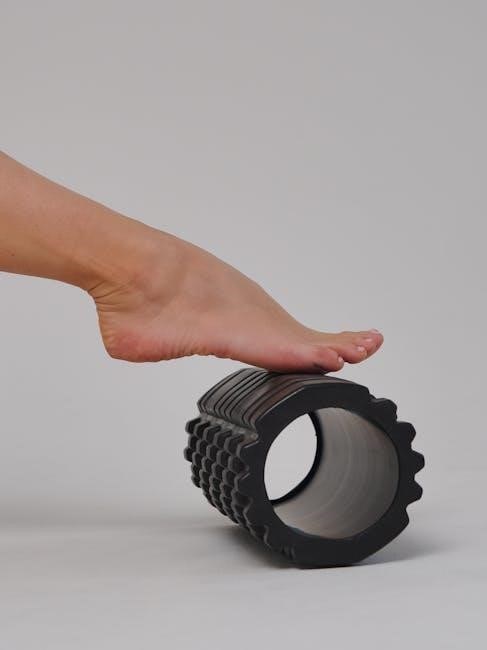
The PDF emphasizes pain-free movement‚ advising patients to stop if discomfort arises.
Repetition guidelines are provided‚ starting with a low number and gradually increasing as tolerated.

Modifications for limited range are also included‚ ensuring accessibility for all patients.
Strengthening Exercises
Our downloadable PDF provides a progressive strengthening program to support the foot and ankle‚ crucial for tarsal tunnel syndrome recovery. It begins with isometric exercises – muscle contractions without movement – to activate key muscles safely.
Resistance band exercises‚ targeting inversion and eversion‚ are clearly illustrated.
Heel raises‚ both straight-knee and bent-knee‚ build calf strength‚ supporting ankle stability.
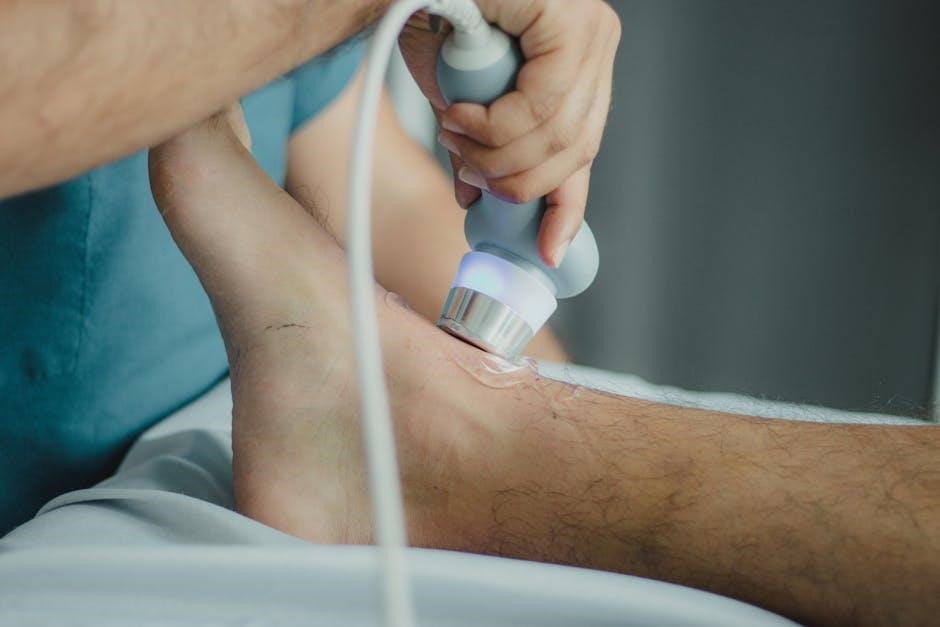
Toe curls and marble pickups enhance intrinsic foot muscle strength.
The PDF details proper form and progression guidelines‚ emphasizing controlled movements.
It also includes modifications for varying strength levels‚ ensuring a personalized approach.
Calf Raises (Gastrocnemius & Soleus)
Our PDF details two crucial calf raise variations: gastrocnemius and soleus‚ each targeting different calf muscles for comprehensive strengthening. Gastrocnemius raises‚ performed with a straight knee‚ emphasize the larger‚ more superficial calf muscle.
Soleus raises‚ done with a bent knee‚ isolate the deeper soleus muscle.
The PDF provides step-by-step instructions with clear images‚ detailing proper form and controlled movement.
Progressive resistance is outlined‚ suggesting adding weight or repetitions as strength improves.
Modifications are included for those with limited range of motion or pain.
Tibialis Posterior Strengthening
The downloadable PDF focuses on strengthening the tibialis posterior muscle‚ a key stabilizer of the foot and ankle‚ often weakened in tarsal tunnel syndrome. Resistance band exercises are detailed‚ demonstrating proper band placement and controlled inversion movements.
Heel raises with inversion are also included‚ adding a functional component to the strengthening program.
The PDF illustrates correct form to prevent compensation and maximize effectiveness.
Progression guidelines suggest increasing band resistance or repetitions as strength improves.
Modifications are provided for varying levels of strength and pain tolerance.
Stretching Exercises
Our comprehensive PDF guide details crucial stretching exercises to alleviate tension and improve flexibility surrounding the tarsal tunnel. It features detailed illustrations and step-by-step instructions for the gastrocnemius‚ soleus‚ and plantar fascia stretches.
Each stretch includes modifications for different flexibility levels and pain thresholds.
Hold times and repetition recommendations are clearly outlined to ensure proper technique.
The PDF emphasizes the importance of gentle stretching and avoiding overextension.
Visual cues help users understand correct body positioning for optimal results.
Gastrocnemius Stretch
The PDF provides a detailed guide to performing the gastrocnemius stretch effectively. Begin by standing facing a wall‚ one leg extended straight back with the heel firmly planted. Lean forward‚ bending the front knee‚ until you feel a stretch in your upper calf muscle.
Maintain a straight back and avoid arching. Hold the stretch for 30 seconds‚ repeating 3 times per leg. The PDF includes visual aids demonstrating proper form and common mistakes to avoid.
Soleus Stretch
The downloadable PDF illustrates how to correctly perform the soleus stretch. Start in the same position as the gastrocnemius stretch – facing a wall‚ one leg extended back. However‚ slightly bend the back knee during this stretch. This targets the lower calf muscle‚ the soleus.
Lean forward‚ keeping your heel grounded‚ until you feel a comfortable stretch. Hold for 30 seconds‚ repeating three times on each leg. The PDF highlights key points for maximizing the stretch and preventing injury.
Plantar Fascia Stretch
Our comprehensive PDF details effective plantar fascia stretches to alleviate tarsal tunnel syndrome symptoms. Begin by sitting with the affected foot crossed over the opposite knee. Grasp your toes and gently pull them back towards your shin‚ feeling a stretch along the arch of your foot.
Alternatively‚ use a towel looped around your toes to assist with the pull. Hold this stretch for 30 seconds‚ repeating three times. The PDF provides visual guides and emphasizes proper technique to avoid exacerbating pain.
Neuromuscular Re-education
The downloadable PDF outlines neuromuscular re-education exercises crucial for restoring proper nerve-muscle communication. These exercises focus on retraining the intrinsic foot muscles‚ often weakened in tarsal tunnel syndrome. Included are toe curls‚ marble pickups‚ and towel scrunches – activities designed to improve foot control and coordination.
The guide details progressive difficulty levels‚ ensuring a safe and effective rehabilitation process. Visual aids demonstrate correct form‚ and frequency recommendations are provided to optimize nerve recovery and functional movement patterns.
Proprioceptive Exercises
The accompanying PDF details proprioceptive exercises vital for regaining balance and spatial awareness‚ often compromised by tarsal tunnel syndrome. These exercises challenge your foot and ankle’s ability to sense its position‚ improving stability and reducing the risk of re-injury. Examples include single-leg stance‚ wobble board activities‚ and balance beam walks.
The guide provides clear instructions and progression strategies‚ starting with stable surfaces and gradually increasing the challenge. Detailed illustrations ensure proper technique‚ maximizing effectiveness and minimizing strain. Frequency and duration guidelines are also included.
Advanced Exercises & Functional Training
Our comprehensive PDF outlines advanced exercises designed to restore full functionality after initial recovery from tarsal tunnel syndrome. These include plyometric drills like jump squats and box jumps (when appropriate)‚ agility ladder work‚ and sport-specific training simulations. The focus shifts to mimicking real-life movements‚ preparing you for daily activities and athletic pursuits.
The guide emphasizes proper form and controlled progression to avoid exacerbating symptoms. Detailed descriptions and visual aids demonstrate correct technique. It also covers integrating these exercises into a personalized functional training program‚ maximizing your return to optimal performance.
Footwear & Orthotics Considerations
The accompanying PDF details crucial footwear modifications and orthotic support options for managing tarsal tunnel syndrome. It explains how proper shoe selection – prioritizing cushioning‚ arch support‚ and a wide toe box – can significantly reduce nerve compression. We discuss custom versus over-the-counter orthotics‚ outlining their benefits and suitability based on individual foot structure and symptom severity.
The guide provides practical advice on assessing your current footwear and identifying potential problem areas. It also covers the importance of avoiding high heels and overly restrictive shoes‚ promoting long-term nerve health and preventing symptom recurrence.
Preventing Recurrence
Our downloadable PDF emphasizes a proactive approach to preventing tarsal tunnel syndrome flare-ups. It details a consistent home exercise program‚ incorporating strengthening‚ stretching‚ and neuromuscular re-education techniques outlined within. The resource highlights the importance of maintaining proper biomechanics during daily activities and athletic pursuits.
We also cover strategies for avoiding prolonged periods of standing or walking‚ utilizing supportive footwear‚ and addressing any underlying anatomical factors. The guide stresses the value of early intervention and seeking prompt medical attention at the first sign of recurring symptoms.
When to Seek Further Medical Attention
Our comprehensive PDF resource clarifies when physical therapy alone may not suffice. It advises consulting a physician if symptoms worsen despite diligent exercise adherence‚ or if you experience significant functional limitations. The guide details red flags like rapidly progressing numbness‚ severe weakness‚ or loss of balance.
We emphasize seeking immediate medical evaluation for any suspicion of nerve damage or compression. The document also suggests further investigation if conservative treatment fails to provide relief within a reasonable timeframe‚ potentially requiring additional diagnostic testing or intervention.
Tarsal Tunnel Syndrome Physical Therapy Exercises ⏤ PDF Resources
Access our curated collection of PDF guides offering detailed illustrations and step-by-step instructions for effective tarsal tunnel syndrome exercises. These resources include beginner‚ intermediate‚ and advanced routines‚ catering to varying severity levels. Downloadable materials cover stretching‚ strengthening‚ and neuromuscular re-education protocols.
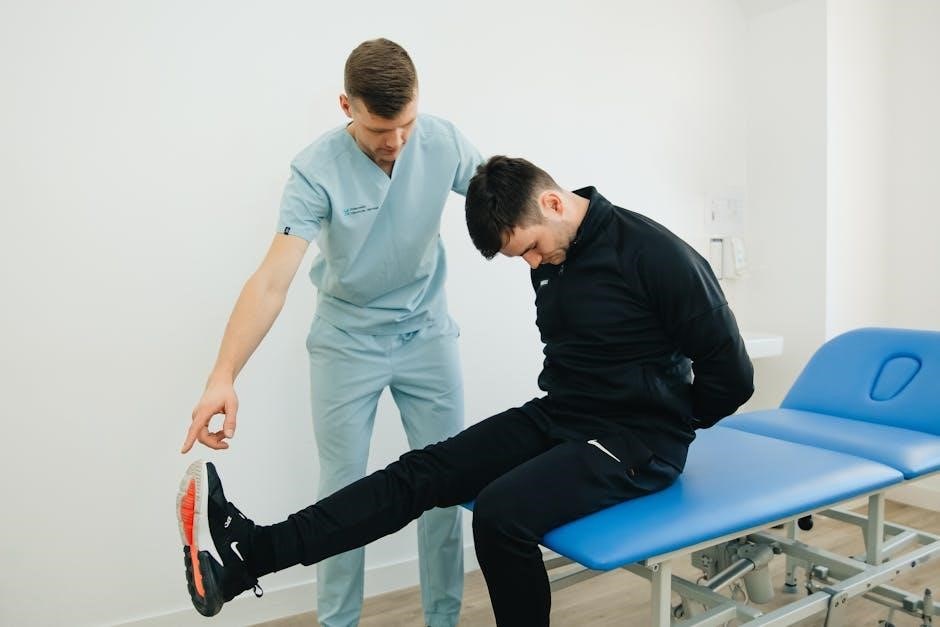
Each PDF provides modifications for individual needs and emphasizes proper form to maximize benefits and prevent re-injury. We also offer a printable exercise log to track progress and maintain consistency. Find links to these valuable resources at the end of this comprehensive guide!
Common Mistakes to Avoid During Exercises
Avoid pushing through sharp pain; discomfort is expected‚ but intense pain signals potential harm. Incorrect form drastically reduces effectiveness and risks exacerbating the condition – refer to PDF guides for proper technique. Overdoing exercises too quickly can inflame the tarsal tunnel; gradual progression is key. Neglecting warm-up and cool-down routines increases injury risk.
Holding your breath during exercises elevates blood pressure; maintain steady breathing. Ignoring muscle fatigue can lead to strain. Skipping exercises inconsistently hinders progress. Failing to listen to your body’s signals is detrimental; adjust as needed!
Modifying Exercises for Different Severity Levels
For mild cases‚ focus on low-impact exercises from PDF guides‚ like gentle stretches and isometric holds. Moderate symptoms benefit from increased repetitions and resistance‚ but avoid overexertion. Severe cases require significant modification – prioritize pain-free range of motion and nerve gliding exercises. Reduce range and decrease resistance initially.
Utilize assistive devices like resistance bands for controlled movements. Shorten hold times for stretches. Break down exercises into smaller sets. Always consult the PDF resources and a physical therapist to tailor a program to your specific needs and tolerance level.
Importance of Consistency & Patience
Recovery from tarsal tunnel syndrome‚ guided by PDF exercise programs‚ demands unwavering consistency. Regularly performing prescribed exercises‚ even when experiencing minimal discomfort‚ is crucial for nerve healing and regaining function. Avoid the temptation to skip sessions or rush the process.
Patience is paramount; improvements may be gradual. Follow the PDF’s progression carefully‚ and celebrate small victories. Listen to your body‚ and don’t push through sharp pain. Long-term success hinges on dedication and a commitment to the rehabilitation plan.
Integrating Physical Therapy with Other Treatments
Optimal management of tarsal tunnel syndrome often involves a multi-faceted approach‚ complementing PDF-guided exercises. Medical interventions‚ such as orthotics or injections‚ can reduce inflammation and support nerve healing‚ enhancing exercise effectiveness. Discuss with your physician how to best integrate these treatments.
Pain management strategies‚ alongside exercises from your PDF‚ may include medication or bracing. A collaborative approach between physical therapists and doctors ensures a comprehensive and personalized recovery plan‚ maximizing positive outcomes and long-term relief.
Long-Term Management Strategies
Sustained relief from tarsal tunnel syndrome necessitates ongoing self-management‚ building upon your PDF exercise program. Regularly performing prescribed stretches and strengthening exercises maintains flexibility and supports nerve health‚ preventing symptom recurrence. Consistent use of appropriate footwear and orthotics‚ as recommended‚ is crucial.
Lifestyle modifications‚ such as avoiding prolonged standing or repetitive activities‚ also contribute to long-term well-being. Periodic check-ins with your physical therapist ensure continued progress and address any emerging concerns‚ fostering a proactive approach to foot health.
Case Studies: Successful Physical Therapy Outcomes
Consider the case of a 45-year-old runner‚ initially experiencing debilitating pain and numbness. Following a tailored physical therapy program – utilizing exercises detailed in downloadable PDF guides – they regained full functionality within 12 weeks. Another patient‚ a 60-year-old teacher‚ found significant relief from chronic symptoms through consistent adherence to prescribed stretches and strengthening routines.
These examples demonstrate the efficacy of targeted exercises‚ emphasizing the importance of patient compliance and a personalized approach. PDF resources empower individuals to actively participate in their recovery‚ achieving lasting positive outcomes.
Successfully managing tarsal tunnel syndrome hinges on proactive engagement with a comprehensive physical therapy plan. Utilizing readily available PDF resources containing targeted exercises provides the tools for self-management and sustained improvement. Remember‚ consistency is paramount; regular exercise‚ guided by professional advice‚ unlocks lasting relief.
Empower yourself to take control of your foot health. Downloadable PDFs offer accessible guidance‚ fostering independence and promoting a return to an active‚ pain-free lifestyle. Your recovery is within reach – embrace the power of informed action!